The crux of the matter
An allergy is a hypersensitivity reaction of the immune system to foreign substances that are normally classified as harmless. This can be food, animal hair or, in spring, increasingly pollen. Our immune system is responsible for defending us against viruses and bacteria. Immune cells are therefore constantly on the lookout for pathogens and other harmful substances. Potential allergens enter our organism via the skin, lungs, mouth or intestines. The task of the immune system is to classify them as harmless or dangerous. Normally, the body tolerates the presence of allergens. However, it can happen that the immune system incorrectly classifies them as a threat. One-off contact with allergens does not usually lead to allergic or only very mild reactions, but it can cause sensitization. Repeated encounters with the substance eventually cause symptoms, as the body remembers the potential danger and activates defense mechanisms.
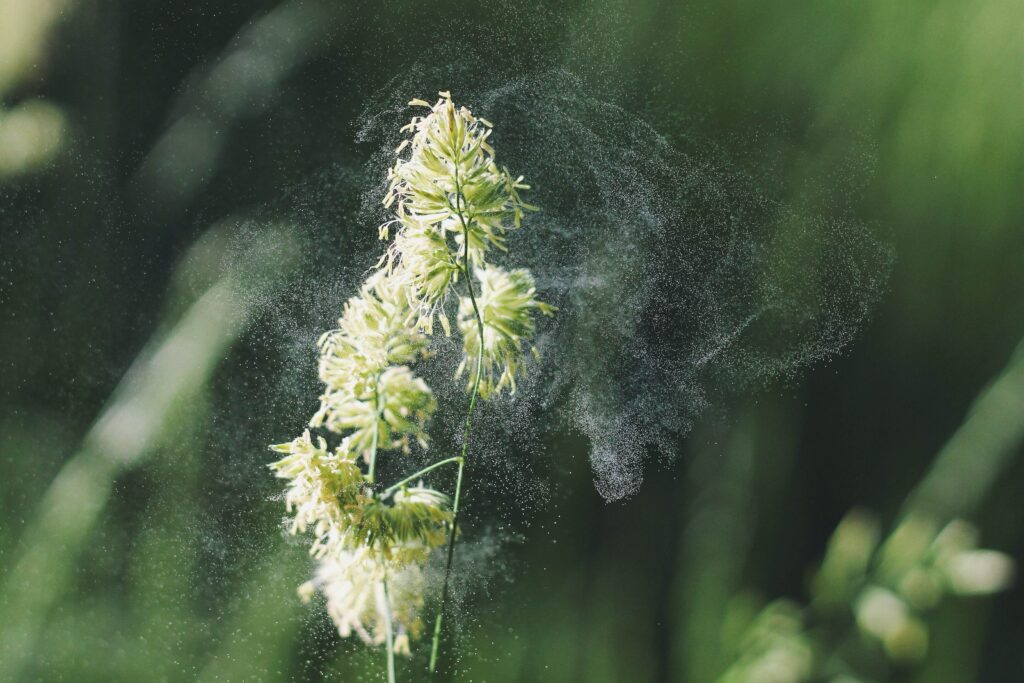
Pollen allergies, also known as hay fever, are health problems caused by pollen from trees, grasses and herbs. In Europe, grasses and birch pollen are mainly responsible for symptoms, and it is a seasonal problem. In Central Europe, the season starts in January/February with early bloomers such as alder and hazel. Globally, there is an increase in allergic diseases: Studies show that climate change increases the concentration of pollen, as well as extending the season. However, improved hygiene conditions, the increased use of antibiotics, air pollution and changes in lifestyle (e.g. diet) also play a role.
Colds, coughs & co.
Around 43 percent of Austrian allergy sufferers state that they suffer from a pollen allergy. Reactions to allergens can vary greatly and lead to mild to severe impairments. The severity of symptoms can increase with more frequent contact with a particular allergen. The most common reactions to pollen include
- Runny nose and nasal congestion
- Frequent sneezing
- Scratchy throat, feeling of dryness
- Watery, itchy and swollen eyes
- Sore throat
- Cough
- Diminished sense of taste & smell
- asthmatic reactions (e.g.: heavy breathing)
- Tiredness, exhaustion
Getting to the bottom of the matter
Skin tests
The most common and quickest variant of allergy testing is the prick test. In this procedure, possible allergens are brought into contact with the skin and the relevant areas are then tested for a reaction. The test is carried out on the forearm or, in rare cases, on the back.
Procedure: An aqueous solution is dripped onto marked areas, which are then scratched with a lancet so that the substance can penetrate. Wheals or redness serve as an indicator of an allergy.
There are other variations of the skin test, such as an application without subsequent scratching, if particularly strong reactions are expected, or patch tests, where these only occur after a few days.
Blood tests
Laboratory tests are used if a prick test does not provide the desired results or the allergic reactions would be too stressful. The number of certain antibodies can be measured in the blood, which would be elevated in the case of an allergy. However, a blood test only gives an indication of an allergy, as the antibodies may be elevated due to other factors. The intensity cannot be determined either.
Provocation test
In this procedure, allergens are applied directly to the nasal mucosa, for example. It is then observed whether the body reacts to the "provocation".
Treat me right
If you have developed an allergy to grasses and the like, it is very unlikely that it will disappear again. This makes it all the more important to counteract symptoms effectively in order to get through pollen-intensive times as carefree as possible. Small changes in everyday life can lead to relief:
- Wash clothing that has been worn outdoors
- Keep windows closed when pollen counts are high
- Regular vacuum cleaning
- Use of a nasal douche
- Avoid outdoor exertion
- Regular information about the current pollen situation, e.g. via Pollenwarndienst.at
- Air purifier with HEPA filter
- Protective grilles for doors & windows
- Damp fabric absorbs pollen particularly well: Dry laundry indoors
- Histamine-free diet (additional intake of histamines can cause the organism to
- weaken)
- TCM, acupuncture and herbal teas

Vitamin C and what histamine is all about
Vitamin C is considered a natural antihistamine, it lowers histamine levels and alleviates allergic reactions. It also reduces swelling and has an anti-inflammatory effect. Especially in the spring months, it therefore makes sense for allergy sufferers to boost their vitamin C levels in order to slow down the body's overreactions and alleviate symptoms in a targeted manner. Although allergies manifest themselves locally (with sneezing, watery eyes, etc.), they affect the entire immune system. This can result in fatigue or increased susceptibility to illness. A successful long-term therapy strategy involves not only combating symptoms, but also strengthening the entire organism. In this way, not only can symptoms be reduced, but the overall condition can also be improved.
Vitamin C also breaks down histamine, a messenger substance that is elevated in allergy sufferers. An increase in histamine levels occurs during inflammatory reactions and helps to ward off foreign substances and protect the body. Additional stress, such as a zinc deficiency, can therefore exacerbate allergic symptoms. Reducing histamine is essential, especially for allergy sufferers, so our advice is to eat a low-histamine diet and avoid histamine-promoting products such as alcohol.
Get well soon
Infusions
We offer infusions with high doses of vitamin C, which help to get through the allergy period well. Infusions can be used to supply the body with vital micronutrients, which are distributed directly through the bloodstream. Nutrient deficiencies, which are common in allergy sufferers, can be efficiently compensated for. As part of a targeted therapy, not only the vitamin C balance is brought up to scratch, but also the entire organism.
IHHT
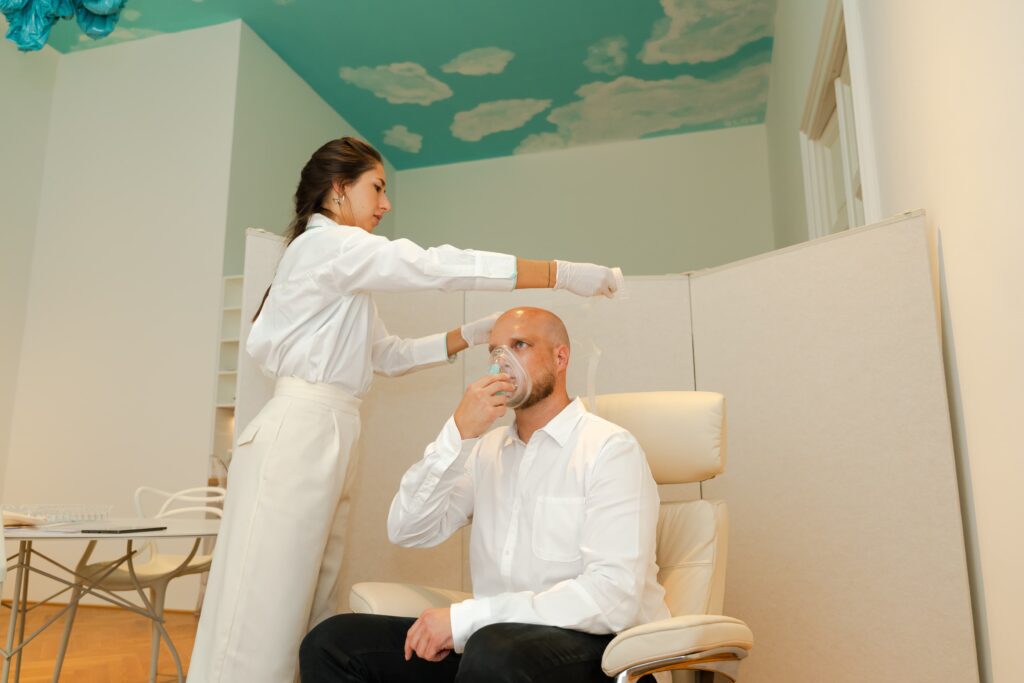
Interval hypoxia-hyperoxia training influences the cell balance of our body and leads to the renewal of the mitochondria. Allergies and asthma can be attributed to impaired mitochondrial function. IHHT also improves the immune system, metabolism and blood circulation. Allergy sufferers benefit from this as immune responses, such as the release of inflammatory mediators like histamine, are influenced and there are fewer strong reactions to allergens.
Medical advice
We offer medical consultations that take a holistic approach: Doctor Skudnigg advises on all aspects of proper nutrition and health-promoting measures during allergy season. Together, therapy plans can be drawn up to increase well-being and improve health.
Get through the spring safely!
For all those interested, our sources to read up on:
https://www.medicalnewstoday.com/articles/319708, last call: 14.5.2023
https://www.allergieinformationsdienst.de/immunsystem-allergie/entstehung-von-allergien.html, last call: 14.5.2023
https://climate-adapt.eea.europa.eu/en/observatory/evidence/health-effects/aeroallergens/pollen, last call: 14.5.2023
https://acaai.org/allergies/allergic-conditions/pollen-allergies/, last call: 14.5.2023
https://www.healthline.com/health/allergies/pollen#symptoms, last call: 14.5.2023
https://www.allergieinformationsdienst.de/immunsystem-allergie/allergene/allergene-aus-derluft.html, last call: 14.5.2023
https://de.statista.com/statistik/daten/studie/1052886/umfrage/umfrage-zur-art-der-allergie-bei-betroffenen-in-oesterreich/, last call: 14.5.2023 xm